Performing CPR can double or even triple a cardiac arrest victim's chance of survival.
Brain damage can occur within 4-6 minutes after cardiac arrest, making immediate CPR crucial.
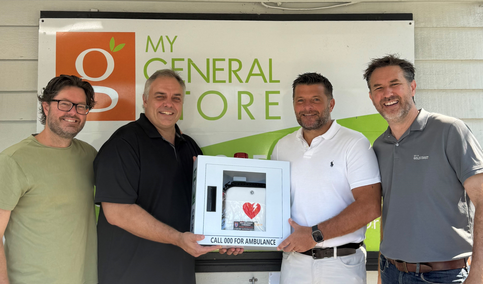
AED stands for Automated External Defibrillator, a portable device that can help restart a heart during a medical emergency.
Cardiac arrest is an electrical problem, while a heart attack is a circulation problem. Both require immediate medical attention.
Taking deep breaths and focusing on the steps you’ve learned in training can help you stay calm and effective during an emergency.
Being trained in CPR and AED use gives you the confidence to act quickly and effectively in emergencies.
Widespread CPR training can significantly increase survival rates in communities.
AEDs are designed to be user-friendly, with voice prompts and visual cues to guide you through the process.
Immediate CPR from a bystander can increase the likelihood of survival by 2-3 times.
CPR techniques can be adapted for adults, children, and infants, making it a versatile life-saving skill.